By Brent Morrow
October 8, 2026
Understanding the intricacies of drain cleaning is crucial for every homeowner. Drain systems, which are often overlooked, play a vital role in maintaining the integrity and hygiene of a household. Recognizing the signs of clogged or inefficient drains and taking action can save homeowners from severe damage and the costly repairs that follow. Keeping drains operating efficiently can prevent water damage, unpleasant odors, and backups. Thus, maintaining a well-functioning drainage system is not just about daily convenience but is also critical for the long-term health of the home.
The Basics of Drain Systems
Drain systems are designed to efficiently remove water and waste from a home, transporting it to external sewer lines or septic systems. When water flows through plumbing fixtures such as sinks, bathtubs, or toilets, it travels down through a network of pipes. These pipes rely on gravity as well as mechanical components like pumps and traps to move the water out. The design and functionality of these systems are complex, with considerations for optimal flow and prevention of airlocks or backflows. Regular inspection and maintenance ensure that these systems continue to function smoothly without disruption.
A well-designed drain system utilizes both horizontal and vertical pipes to effectively move waste away. Each fixture in a home is connected to a vent system, which eliminates potential airlocks that could impede water flow. Proper ventilation is critical; without it, drains might not function correctly, leading to backups or slow drainage issues. Traps, such as P-traps, are installed to create a seal, preventing sewer gases from entering the home while still allowing water to pass through. Homeowners should familiarize themselves with these basics to identify potential issues early.
Various types of drain systems exist depending on a home’s layout and usage requirements. In residential properties, the most common are sanitary drain systems designed to convey waste from bathrooms, kitchens, and laundry rooms. These systems connect to larger municipal or independent septic systems. Efficiently designed, these systems usually comprise elevation changes and venting components to manage flow and prevent clogs.
Another type is storm drain systems, critical in managing rainwater and preventing flooding. These systems capture runoff from roofs, sidewalks, and roads, channeling it away from the home’s foundation to avoid water damage. They often feature larger pipes designed to accommodate high volumes of water very quickly.
Identifying the early signs of drain issues is fundamental in preempting costly and more extensive problems. One clear indication is slow drainage, often caused by partial blockages or buildup within the pipes. Gurgling sounds from drains, toilets, or pipes can signify trapped air resulting from clogs. Bad odors emanating from drains are another telltale sign of issues, typically due to the buildup of organic material such as food particles or grease.
Frequent clogging of toilets or sinks is a red flag indicating more significant issues within the system, possibly even beyond home plumbing. Water backing up into sinks, bathtubs, or toilets often signals blocked main sewer lines, posing an urgent problem requiring immediate attention. Regular inspections, such as biannual cleaning, can mitigate these risks effectively.
Maintenance activities, like running hot water through sinks once weekly, can also help identify issues. If water takes longer than expected to drain, it may be time to further investigate. Similarly, unsettling odors during these checks can guide homeowners to necessary action. Proactively addressing these signs ensures homeowners keep small issues from spiraling into significant repairs. Investing time annually into understanding and rectifying minor drain problems can prevent extensive replacements later on.
Neglecting drain issues can lead to various severe consequences for homeowners, beginning with compromised hygiene within living spaces. Blocked drains can cause water to back up into sinks, bathtubs, or toilets, introducing unhealthy contaminants into the home environment.
A more insidious risk is damage to the infrastructure of the home itself. Undrained water can seep into floors and walls, causing structural damage, mold development, and attracting insects or rodents. The cost of addressing these kinds of structural deficiencies far exceeds the minor investment in regular drain maintenance. According to Modernize, preventative drain cleaning every one to two years can help prevent expensive plumbing emergencies.
Drain Cleaning Techniques
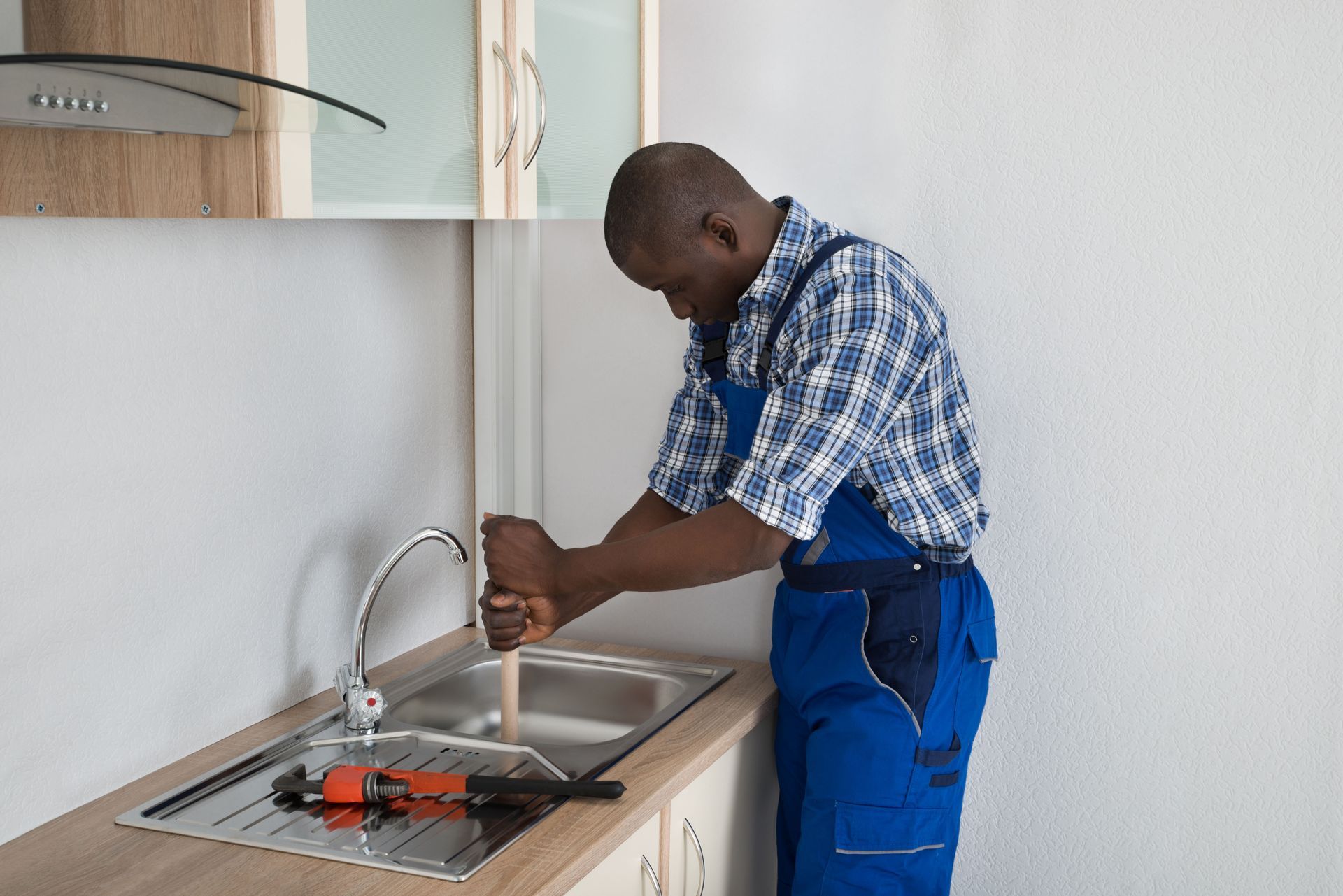
The plunger is perhaps the most familiar tool in any drain cleaning arsenal, widely used due to its simplicity and effectiveness for minor clogs. It works by building pressure within the pipe, helping to dislodge blockages and restoring normal drainage flow. Identifying the right plunger for the job is crucial; specifically, a cup plunger for sinks and a flange plunger for toilets. To use a plunger effectively, ensure there is enough water in the fixture to cover the plunger’s rim, thereby creating a secure seal to build pressure. Applying firm, consistent pressure and quick lifts maximizes the plunger's effectiveness.
Prior to plunging, clear any excessive debris or objects from the surrounding drain area to avoid worsening the problem. Creating a vacuum seal by firmly pressing the plunger’s cup over the drain opening is crucial in achieving effective pressure buildup. Slow, steady thrusts followed by quick releases create the necessary suction to dislodge difficult blockages.
It's worth noting that some homeowners may hesitate to use plungers due to fears of exacerbating a problem. However, when used properly, plungers are safe and practical for straightforward clogs. Understanding how to leverage this tool can save time and avoid unnecessary professional intervention for minor blockages. Nevertheless, persistent issues following thorough plunging may warrant further investigation using alternative methods or professional services.
Homemade drain cleaning solutions offer an eco-friendly and cost-effective approach to tackling minor blockages. The classic combination of baking soda and vinegar is popular due to its chemical reaction that can help break down minor obstructions. For application, pour a generous amount of baking soda into the affected drain, followed by an equal measure of vinegar. Allow this mixture to sit and fizz for around 15 to 30 minutes, which gives the reaction time to work on the blockage.
When to Call a Professional
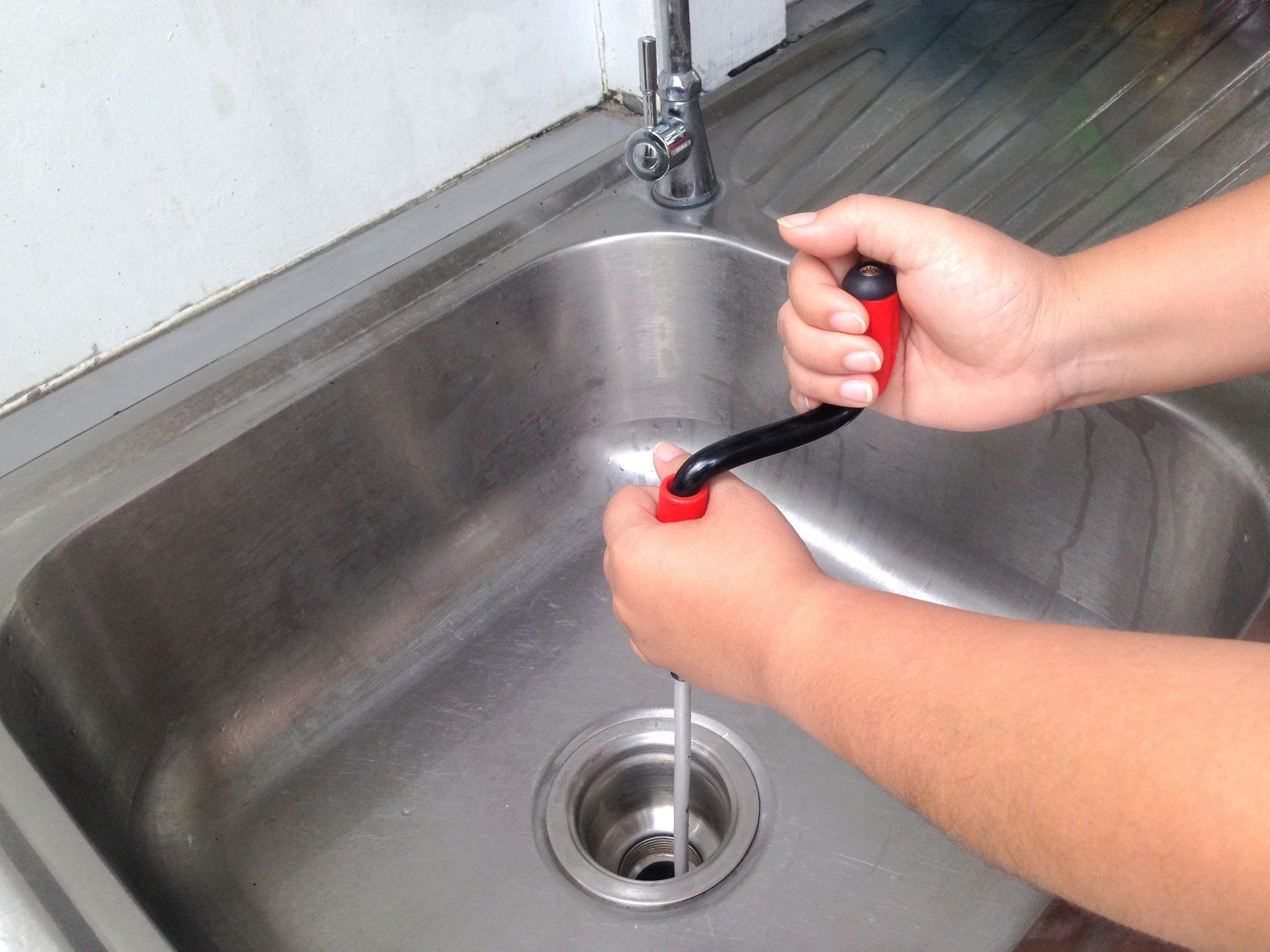
Recognizing when a drain problem exceeds DIY capacity is a critical skill for homeowners. Persistent water backups in multiple fixtures, such as when a toilet flush results in water rising simultaneously in sinks or showers, can indicate a serious main line clog. This is often beyond the reach of traditional home tools such as plungers or snakes. Additionally, recurring clogs or slow drains that persist despite various at-home efforts require more comprehensive diagnostic methods than typically accessible by homeowners.
Root intrusions, where tree roots infiltrate and obstruct sewage lines, present another situation necessitating professional intervention. These roots might not only cause clogs but can also damage pipes structurally. Frequent usage of chemical drain cleaners with ineffective results is another indicator that deeper issues may need to be addressed by trained specialists. It’s important to recognize the type of clog or obstruction and its location within the system to decide on professional intervention.
Sewage odors within the home or signs of sewage visible in basements or exterior property surfaces are strong indicators that professional services are required immediately. Such issues can pose significant health risks if left unchecked. Professional plumbers have the expertise, tools, and experience necessary to diagnose these intricate issues effectively and implement the most effective and safe remediation measures.
Hiring professional services for drain cleaning provides advantages in expertise and equipment availability that are typically inaccessible to the average homeowner. Professionals come equipped with industry-grade tools and have the technical training necessary to effectively identify and rectify complex drainage issues. This proficiency ensures that problems are not only solved promptly but also addressed comprehensively to prevent future occurrences.
Maintaining a healthy drain system is an important part of protecting a home from clogs, backups, water damage, and more costly plumbing problems. While simple issues can sometimes be addressed with basic DIY techniques, recurring or serious drainage problems may require professional attention. By recognizing warning signs early, performing routine maintenance, and knowing when to call a professional, homeowners can keep their drains functioning efficiently and help prevent minor issues from becoming major repairs. For professional
drain cleaning services you can rely on, contact All Clear Pumping & Sewer today.